
Calf-Tel Black Calf-Tel Black

Better Together? Benefits and Best Practices of Paired Housing Backed by Science

By Samantha Paszkiewicz, MS
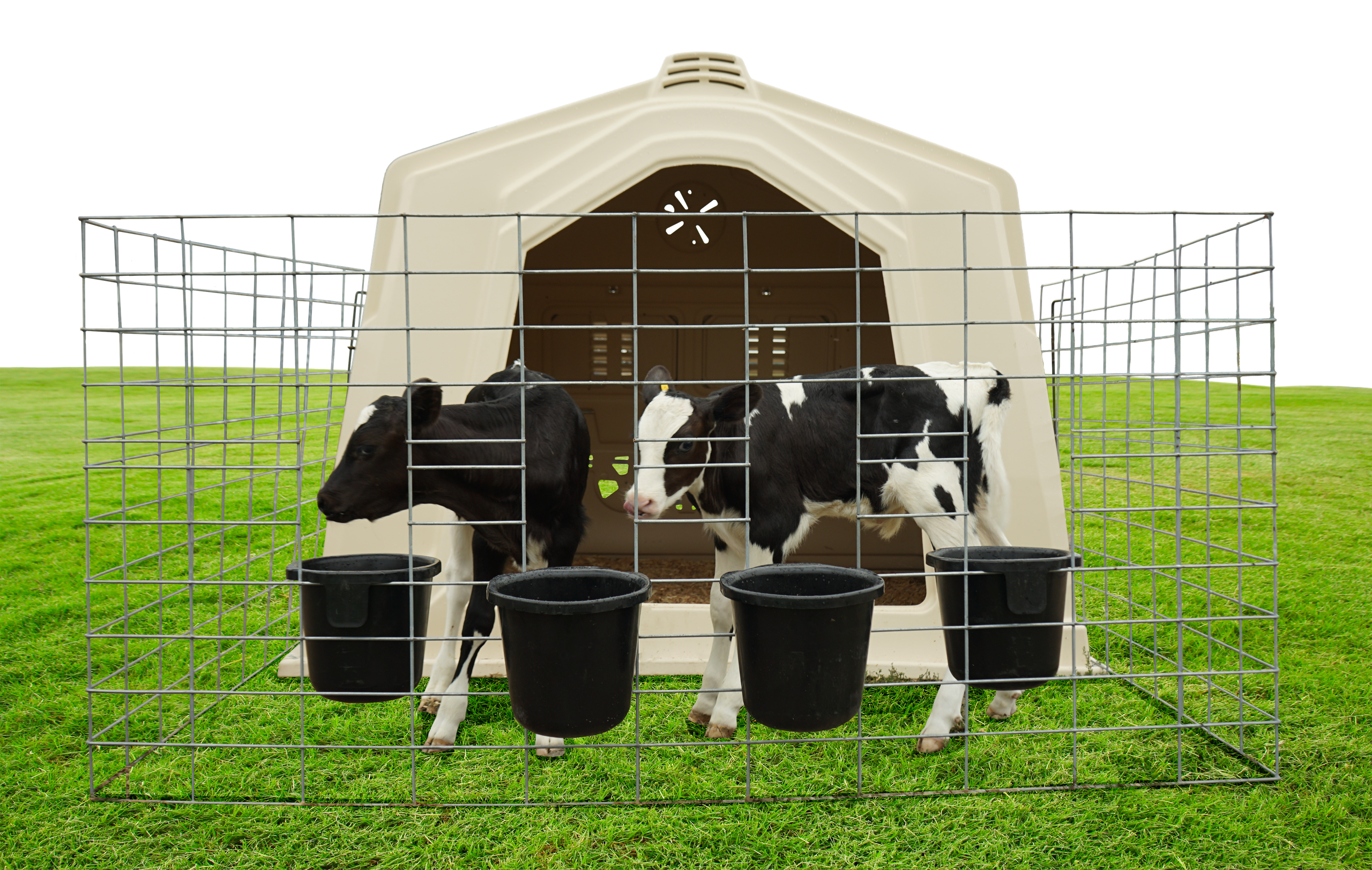
For decades, individual calf housing has been the standard management practice on many farms. The approach offered excellent monitoring and disease control, but recent research has demonstrated that calves also have important social needs that influence their growth, health, and long-term development.

Pairing calves is not a new concept but as the practice spreads and regulations form, an expanding body of research from leading universities including the University of Wisconsin- Madison, University of Florida, University of British Columbia, etc., shows that paired housing provides measurable benefits for calf welfare and productivity without compromising health and performance. See our previous post from Jennifer Van Os here for more information.

The Benefits

Improved Performance

One of the most consistent findings across pair housing studies is improved starter intake. Earlier starter consumption leads to smoother rumen development and prepares calves for weaning. In a recent study at the University of Florida, researchers found that paired calves:

  • Consumed more starter beginning around 5 weeks of age
    • Achieved greater average daily gain before and after weaning
    • Reached heavier body weights by the end of weaning
    • Maintained weight advantage after weaning

A 2025 review examining paired and triplet-housed calves found a similar pattern: in all six studies that measured starter intake while feeding calves at least 7L of milk per day, socially housed calves consumed more starter during the preweaning or postweaning period than individually housed calves (Plaugher & Cantor, 2025).

These findings reinforce decades of research showing that pair housing improves performance precisely when calves face one of their greatest challenges in transitioning from milk to feed.

Healthier Behaviors

There are numerous systematic reviews that have found increased opportunities for play and positive social interactions that paired calves demonstrate:

  • Better social behavior
  • Reduced fear of unfamiliar environments
  • Greater willingness to explore
  • Improved adaptability to management changes

These behavioral changes are crucial because calves raised with appropriate early social contact often transition more successfully into larger groups later in life. The University of Florida study reported that paired calves spent more time standing and were generally more active than individually housed calves, suggesting greater engagement and a natural daily rhythm with their environment (Miller-Cushon et al., 2025).

A 2025 review in the Journal of Dairy Science evaluated 48 studies comparing paired and individually housed calves. Overall, paired calves demonstrated better social behavior in group pens down the road and more flexible responses to management procedures with less stress responses (Bučková et al., 2025).

What About Disease?

If two calves share space, doesn’t that increase disease transmission? It’s a reasonable concern. Disease control was a primary reason why the calf raising standard leaned towards individual housing, but the evidence suggests that calves can be successfully housed without sacrificing health if the surrounding management system is strong. Current research doesn’t show a simple relationship between pairing and poor health; A 2025 review found no association between pair housing and bovine respiratory disease (BRD) in all seven studies it evaluated. Similarly, 7 of 8 studies found no negative effect of paired housing on diarrhea events (Plaugher & Cantor, 2025). The limitation of these studies, however, is in the different diagnostic methods and management practices of individual farms.

In the case of disease, the fundamentals still apply: excellent colostrum management, clean feeding equipment, adequate ventilation, dry bedding, and daily health observation.

What About Cross-sucking?

Cross-sucking occurs when a calf sucks another calf’s ears, naval, udder area, or other body parts. It is one of the most cited practical challenges associated with paired calf housing. Sucking is a highly motivated natural behavior in young calves. When that motivation isn’t adequately satisfied during feeding, calves may redirect it towards their pen mate (Wormsbecher et al., 2017).

Research suggests several management practices that can help reduce this behavior (Plaugher & Cantor, 2025; Salter & Van Os, 2020):

  • Feeding milk through a teat rather than an open pail
  • Providing adequate milk allowance
  • Allowing calves sufficient opportunity to suck after milk consumption
  • Providing separate access to starter and forage
  • Giving the calves adequate space

Best Practices

When to Pair

The benefits of paired housing occur when calves are introduced early in life. But not too early. Calves face the greatest pathogen challenge when they are 1-2 weeks old. We recommend pairing when calves are 2-2.5 weeks old if healthy.

Duration of Pairing

Paired housing can extend through the entire preweaning period. Many of the performance advantages were observed during weaning, when calves are relying more heavily on starter intake and are socially encouraged to eat. For better transition success, steadily increase group size before releasing to herd.

Avoid Regrouping

Once calves are paired, keeping those pairs stable help reduce stress and social disruption. Frequent regrouping forces calves to establish new social relationships, which leads to an increase in competition and limiting the benefits of companionship.

Designated Feeding Space per Calf

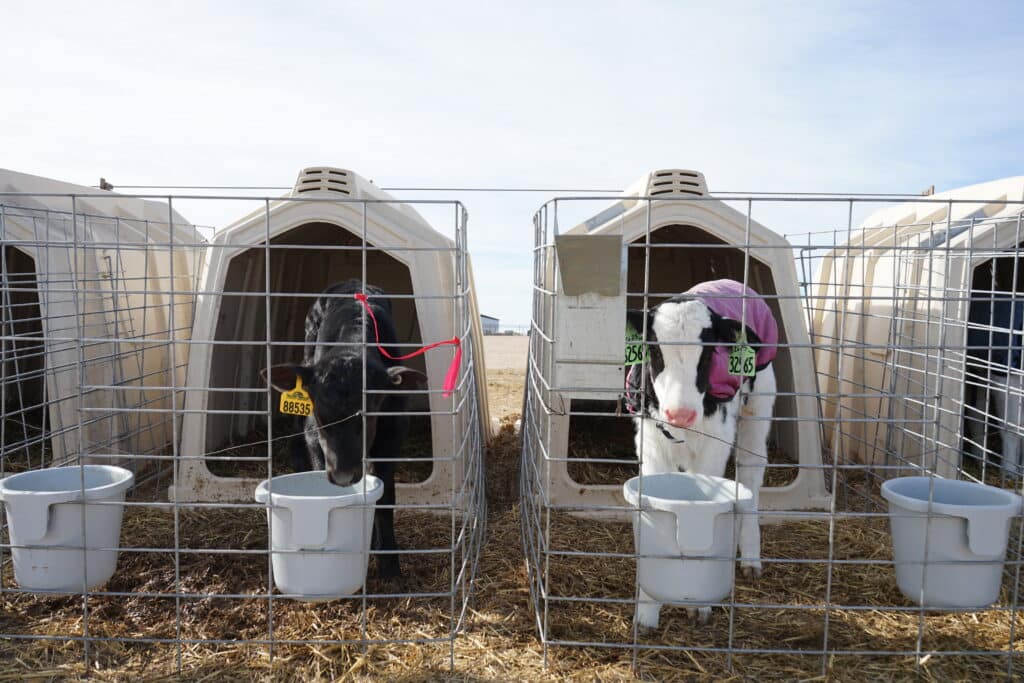
One of the keys to success is ensuring each calf has its own milk feeding position, starter bucket, and water source to eliminate unnecessary competition. Studies monitoring paired calves found excellent growth performance with low levels of cross-sucking when having two designated feeding stations.

Provide adequate space

Paired housing needs to provide enough room for calves to rest comfortably and engage in natural behaviors. Adequate space reduces competition, encourages exercise and play, and allows calves to interact with their companion or rest independently. Research has shown that increased space promotes activity and individual comfort.
Bringing Paired Housing to the Farm with TwinMax

The science behind paired housing is compelling, meaning new welfare regulations are not far behind.  Successful implementation will depend on having housing specifically designed for two calves. The housing system must encourage positive social interaction while ensuring each calf has equal access to feed, water, and rest space.

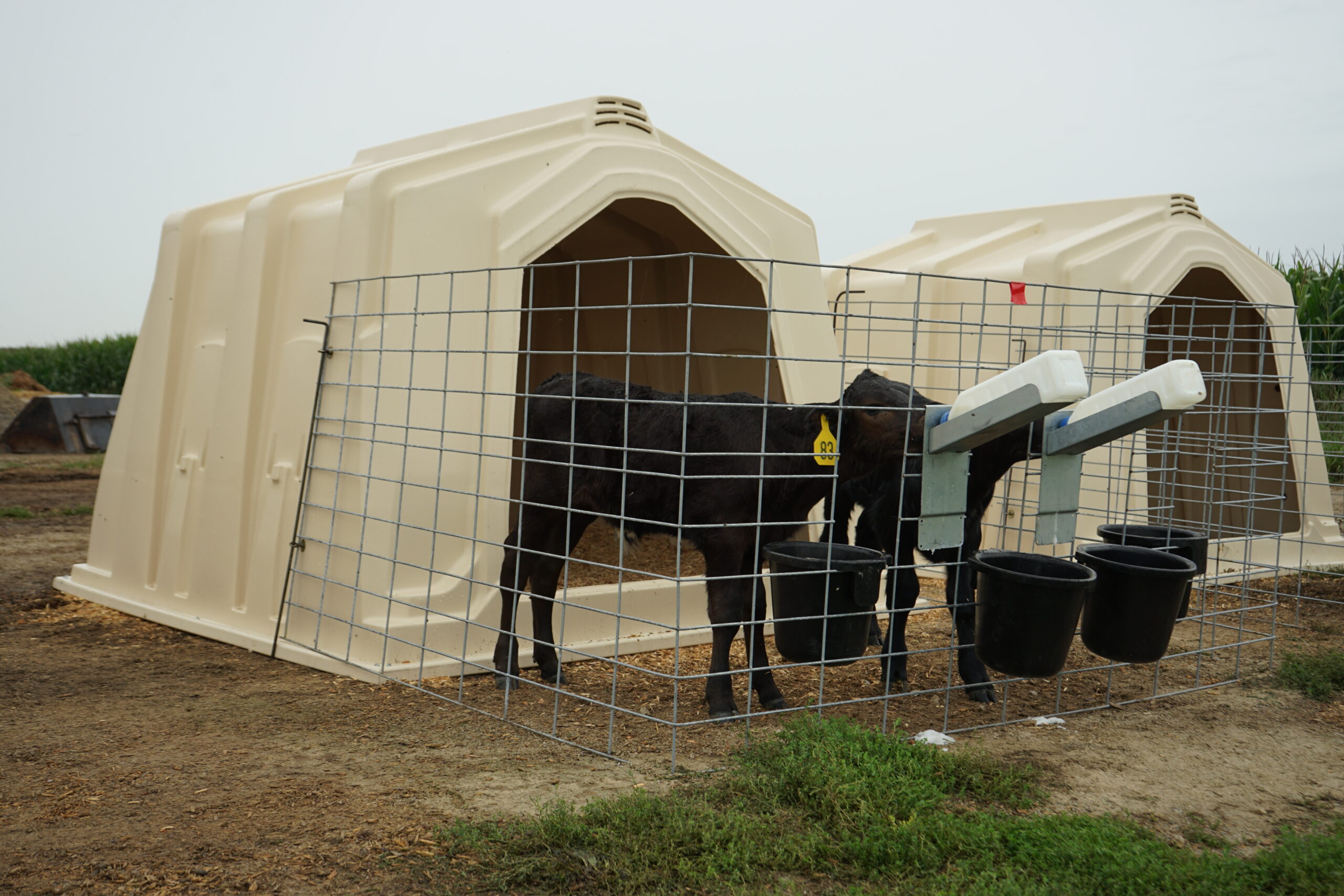
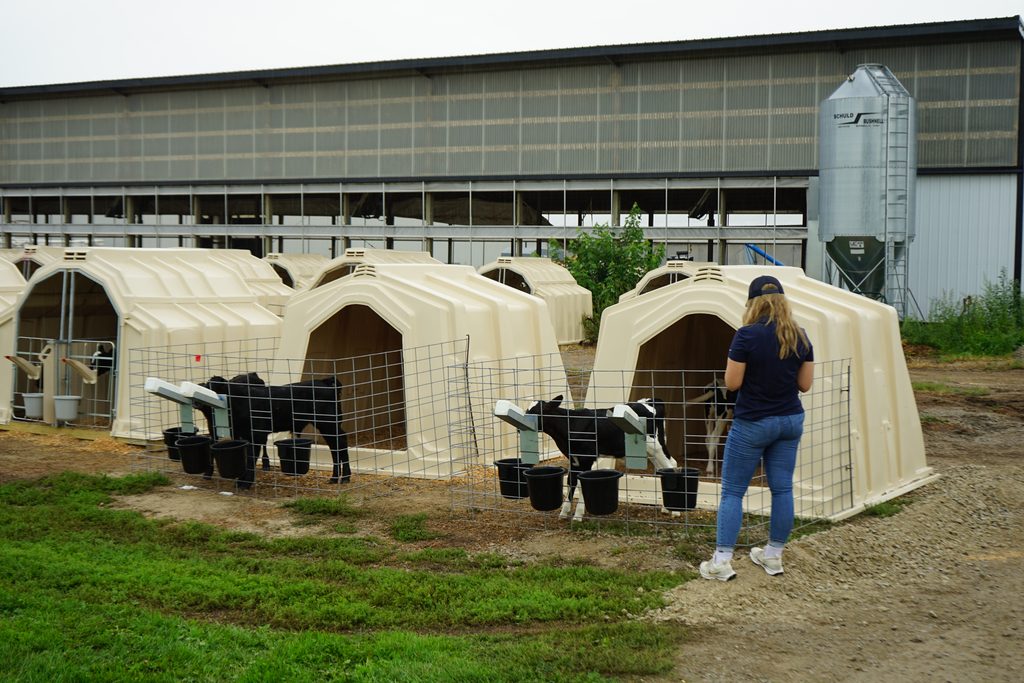
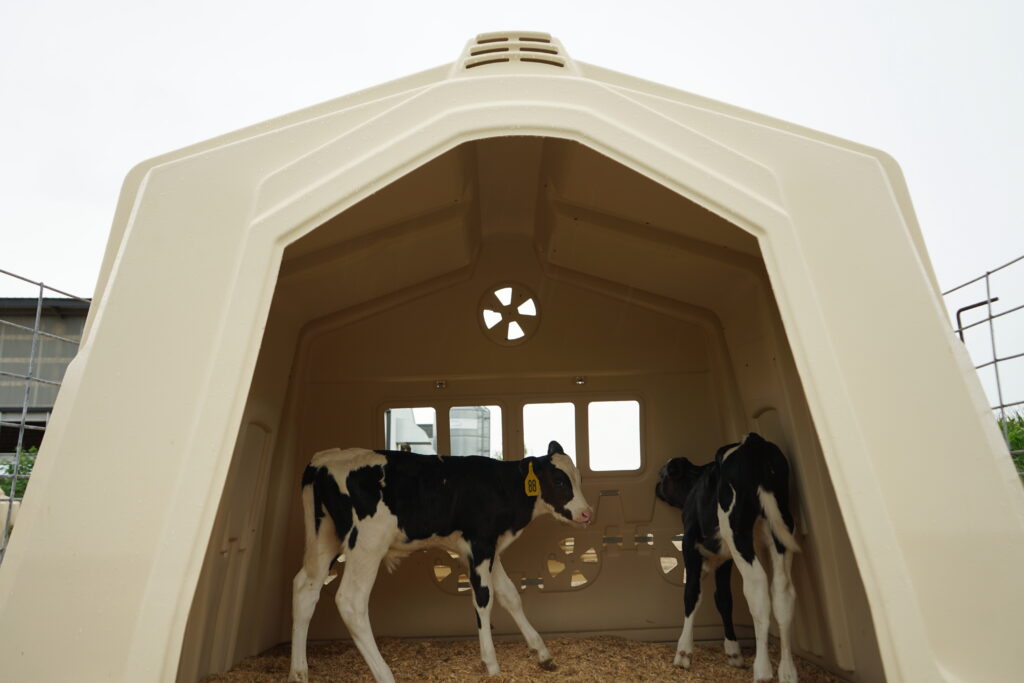
The Calf-Tel TwinMax was developed with these principles in mind. Designed specifically for raising calves in pairs, TwinMax provides the space and features producers need to capture the proven benefits of paired housing while maintaining the ease of management that our individual hutches are known for. Here is how its design lines up with what the research says matters most.

Room for Two and Room to Roam

TwinMax provides 52.98 sq. ft. of sheltered space for two calves. Adding the TwinMax Wire Fence brings the total to nearly 97 sq. ft.—about 48 sq. ft. per calf—with room to play, explore, rest comfortably, and move apart.

A Feeding Station for Each Calf

The fence’s 88-inch front holds up to four Direct Attach Pails and at least two bottle holders, giving each calf dedicated access to milk, water, and starter.

Bottle holders support teat feeding, while spaced feeding positions help limit competition and manage cross-sucking. An adequate milk allowance and keeping nipples available briefly after feeding can further satisfy calves’ natural sucking behavior.

Designed for Daily Calf Care

Successful pairing depends on ventilation, dry bedding, clean equipment, and daily observation. TwinMax supports these practices with:

  • Ventilation: Upper, lower, and ridge vents totaling 742 sq. in.
  • Bedding access: Large rear doors simplify bedding maintenance and calf checks.
  • Removable feeding equipment: Individual pails and bottles make cleaning straightforward.

Simple to Set Up and Manage

TwinMax’s durable, one-piece thermoformed hutch requires no assembly. Molded structural ribs provide strength, while its 135-lb weight and standard lifting bracket simplify moving between groups.

TwinMax at a Glance

  • Interior space: 52.98 sq. ft.
  • Outside dimensions: 97.75″ L × 88″ W × 70.5″ H
  • Fence dimensions: 72″ L × 88″ W × 42″ H
  • Feeding capacity: Up to four Direct Attach Pails and at least two bottle holders
  • Weight: 135 lbs, with standard lifting bracket

TwinMax combines space, dedicated feeding access, and practical care features to support successful paired housing.

Visit the TwinMax product page for full specifications, photos, and compatible feeding accessories.

References

Bonney-King, J., Lindner, E. E., Bittar, C. M. M., & Miller-Cushon, E. K. (2025). Pair housing benefits performance and activity of dairy calves with influences of season. Journal of Dairy Science, 108(10), 11432–11442. https://doi.org/10.3168/jds.2024-25819

Bučková, K., Moravcsíková, Á., & Šárová, R. (2025). A systematic review of the effects of pair housing on dairy calf welfare and productivity. Journal of Dairy Science, 108(12), 12878–12902. https://doi.org/10.3168/jds.2024-26251

Costa, J. H. C., von Keyserlingk, M. A. G., & Weary, D. M. (2016). Invited review: Effects of group housing of dairy calves on behavior, cognition, performance, and health. Journal of Dairy Science, 99(4), 2453–2467. https://doi.org/10.3168/jds.2015-10144

De Paula Vieira, A., von Keyserlingk, M. A. G., & Weary, D. M. (2010). Effects of pair versus single housing on performance and behavior of dairy calves before and after weaning. Journal of Dairy Science, 93(7), 3079–3085. https://doi.org/10.3168/jds.2009-2516

Miller-Cushon, E. K., & Jensen, M. B. (2025). Social housing of dairy calves—Management factors affecting calf behavior, performance, and health: A systematic review. Journal of Dairy Science, 108(4), 3019–3044. https://doi.org/10.3168/jds.2024-25468

Plaugher, G., & Cantor, M. C. (2025). A scoping review on pair housing dairy calves: Health and performance outcomes and tactics to reduce cross-sucking behavior. Frontiers in Veterinary Science. https://pubmed.ncbi.nlm.nih.gov/40654510/

Wormsbecher, L., Bergeron, R., Haley, D., de Passillé, A. M., Rushen, J., & Vasseur, E. (2017). A method of outdoor housing dairy calves in pairs using individual calf hutches. Journal of Dairy Science, 100(9), 7493–7506. https://doi.org/10.3168/jds.2017-12559
Healthy Calves Make Profitable Cows

Why the First 60 Days Define Lifetime Performance

By Samantha Paszkiewicz

Today’s dairy and beef operations have made substantial strides when it comes to the genetics of their herd which has resulted in significant gains in milk yield, feed efficiency, and carcass quality, but the genetic potential relies heavily on early-life management. You can choose the best quality sperm, but if the environmental parameters aren’t met, the animal’s performance will suffer. The first 60 days represent a critical period of organ and immune system development, during which any impediment has been shown to have long-term consequences in their performance later in life (Soberon et al., 2012; Chester-Jones et al., 2017 ; Haines et al., 2022).

Preweaning Growth and Lifetime Milk Production

One of the most studied topics in calf research is the relationship between early life average daily gain (ADG) and first lactation yield. For over a decade, researchers have demonstrated that first lactation performance is not solely determined by genetics or heifer management later in life. It’s strongly influenced by nutrient intake experienced during the preweaning period. Calves that achieve higher ADG have been shown to produce more milk in their first lactation.

 Soberon et al. (2012) reported that each 1 kg increase in preweaning ADG was associated with approximately 1,500kg additional milk in first lactation.

Haines et al (2022) further demonstrated that calves achieving higher preweaning growth rates were more likely to survive to first calving and exhibited improved milk yield across lactations.

Early-Life Morbidity & Mortality

In the US, calves have been continually failing to meet the target <5% mortality goal (NAHMS, 2014; NAHMS, 2018), while morbidity remains above the ideal <25% benchmark levels with rates ranging from 20-35% (K.K. Elmore et al, 2023).

When calves experience clinical disease like diarrhea and bovine respiratory disease (BRD), they divert energy and nutrients away from growth and development toward immune functions. As a result, we commonly see consequences such as reduced ADG, impaired rumen development, and lung damage that can persist long after apparent recovery (BRD). Any early growth setback will carry forward as the animal ages and cause delayed breeding readiness, increased risk of removal before first calving, and measurable losses in first lactation and carcass performance for dairy and beef operations, respectively (Buczinski et al, 2021).

Environmental Stress

Beyond nutrient intake and infectious disease, environmental stresses like cold and heat stress are known factors in affecting growth efficiency through energy partitioning. Energy requirements increase under hot and cold conditions which can take away from development and leave the calf more susceptible to disease.

The lower critical temperature for young calves is generally estimated between 10–15°C depending on age, bedding condition, and hair coat (Hill et al. 2020). Below this threshold, calves suffer metabolic stress that can lead to heart and lung damage.

Hill et al. (2020) demonstrated that deep, dry bedding significantly reduced cold stress indicators and supported higher average daily gain (ADG) in preweaned calves during winter conditions. Calves housed in well-bedded hutches maintained superior growth compared with those exposed to less effective bedding management. These findings illustrate that relatively simple environmental modifications can reduce the burden of regulating their temperatures.

Conversely, high ambient temperatures, particularly when combined with elevated humidity, impair heat dissipation and increase respiratory effort, causing more metabolic strain in the heart and lungs. Heat stress may also exacerbate respiratory pathogen persistence by increasing moisture accumulation in poorly ventilated environments (Tao et al., 2013).

Housing

Calf housing is a primary environmental control system as it promotes adequate air exchange, maintains dry bedding, reduces humidity, protects against thermal stress, and minimizes pathogen transmission by keeping calves clean and separate in the early weeks of life. But not all housing is created equally.

 Mahendran et al. (2023) reported that individually housed calves in well-ventilated hutches experienced lower relative humidity levels and reduced respiratory challenge compared to calves housed in enclosed systems with less effective ventilation.

Field data from subtropical environments further demonstrate that housing design can shift calf health outcomes even when heat load is substantial. Peña et al. 2016 evaluated 100 preweaned heifer calves (Holstein and Holstein–Jersey crosses) raised through weaning in north-central Florida during summer under conditions characterized by sustained heat stress exposure. Calves were randomly assigned to either (1) a Calf-Tel enclosed hutch system with an adjustable rear ventilation door placed in an open area with direct sunlight exposure or (2) a wire-framed enclosure with plywood shade placed over sand under tree cover. Health outcomes favored Calf-Tel housing in multiple disease-associated endpoints. Calves in wire hutches exhibited a greater frequency of respiratory signs, including nasal discharge and coughing, and had substantially higher odds of requiring veterinary treatment compared with calves in Calf-Tel hutches.

Conclusion

From average daily gain to respiratory health and environmental stress, early-life management decisions have long-term consequences that follow calves throughout their lives.

Housing systems serve as critical environmental modifiers that influence humidity, dryness, pathogen exposure, and thermal stress; all factors that affect lifetime economic performance.

This evidence supports a clear conclusion: healthy calves become profitable cows. Protecting early-life growth and health through optimized Calf-Tel housing systems is essential for realizing genetic potential and maximizing long-term productivity in both dairy and beef operations.

References

Buczinski S, Achard D, Timsit E. Effects of calfhood respiratory disease on health and performance of dairy cattle: A systematic review and meta-analysis. J Dairy Sci. 2021 Jul;104(7):8214-8227. doi: 10.3168/jds.2020-19941. Epub 2021 Apr 23. PMID: 33896639.

Chester-Jones, H., Heins, B. J., Ziegler, D., Schimek, D., Schuling, S., Ziegler, B., de Ondarza, M. B., Sniffen, C. J., & Broadwater, N. (2017). Relationships between early-life growth, intake, and birth season with first-lactation performance of Holstein dairy cows. Journal of Dairy Science, 100(5), 3697–3704.

G. Peña, C. Risco, E. Kunihiro, M-J. Thatcher, P.J. Pinedo, Effect of housing type on health and performance of preweaned dairy calves during summer in Florida1, Journal of Dairy Science, Volume 99, Issue 2, 2016, Pages 1655-1662

Haines, D. M., et al. (2022). Associations between preweaning growth and first-lactation milk production in dairy cattle. Journal of Dairy Science, 105(3), 2354–2366

Hill, T. M., Bateman, H. G., Aldrich, J. M., & Schlotterbeck, R. L. (2020). Effects of environmental temperature and bedding on growth and health of preweaned dairy calves. Journal of Dairy Science, 103(6), 5629–5640.

K.K. Elmore, G.E. Chibisa, Graduate Student Literature Review: Reducing mortality and morbidity in transported preweaning dairy calves: Colostrum management and pretransport nonsteroidal anti-inflammatory drug administration*, Journal of Dairy Science, Volume 106, Issue 8, 2023, Pages 5753-5762

Mahendran, S. A., Booth, R. E., Bell, N. J., & Nanjiani, I. A. (2023). Housing conditions and environmental parameters associated with respiratory health in preweaned dairy calves. Journal of Dairy Science, 106(2), 1452–1466.

Soberon, F., Raffrenato, E., Everett, R. W., & Van Amburgh, M. E. (2012). Preweaning milk replacer intake and effects on long-term productivity of dairy calves. Journal of Dairy Science, 95(2), 783–793.

Tao, S., & Dahl, G. E. (2013). Heat stress effects during late gestation on dry cows and their calves. Journal of Dairy Science, 96(7), 4079–4093.

Calf Care Requirements and Recommendations

Exploring options and regulations in the United States, Canada, and Europe

by Grace Kline

To ensure proper animal husbandry, guidelines have been established to create a uniform standard of care within each respective country or union. Those guidelines will be reviewed below, along with links to various informative websites if you wish to continue your research.

At the risk of sounding like a broken record, I’m here to remind you once again that calf care is an extremely important aspect of your dairy. The calves are the next generation of your herd. The quality of care (or lack thereof) determines their performance in your milking herd. So, if you want healthy cows that milk well and breed back year after year, you must start by keeping your young herd healthy.

United States

Every 3 years in the United States, the FARM (Farmers Assuring Responsible Management) Program is updated. Due to the Coronavirus Pandemic in 2020, the update was extended. Now, all updates will be put into effect on July 1st instead of January 1st. Version 5 will go into effect on July 1st, 2024.

Before we get into the updates, FARM has released an Evaluation Prep Guide to help farmers understand what changes they will need to make. Please check out the link so you can best prepare for any evaluations you may have if you are a part of the FARM program.

There are not many updates from Version 4 of the FARM program to Version 5. Here are the few to note:

  1. In addition to a minimum of 95% of your herd scoring below a 2 on the locomotion score card provided by FARM, a minimum of 85% of your herd must score 1 or less. This applies to your lactating herd. Locomotion score cards are used to monitor any lameness or difficulty walking within your herd.
  2. Pain mitigation for disbudding has been discussed in a previous Calf-Tel blog, which you can find here. It is not something we should ignore, as disbudding is a very stressful event. Version 5 has upgraded their improvement opportunity from a continuous action plan to a mandatory improvement plan. This means that you will not have up to 3 years to complete this change, but only 9 months. If you’re not sure what steps to take, consult your veterinarian. In Version 4, the method in which disbudding takes place was not specified, however in Version 5 it is recommended that farmers use a paste or a butane burner.
  3. Even if calves are not staying on the farm, FARM advises feeding high quality colostrum to all calves in a timely fashion. The updated version states that a colostrumeter or any other form of colostrum quality measurement can be used, and the amount should be at least 10% of the calf’s bodyweight. It can be demonstrated by record keeping or keeping evidence of bloodwork done to ensure the calf maintained a successful transfer of passive immunity.
  4. Both euthanasia and job specific continuing education have been upgraded from a continuous action plan to a mandatory action plan, meaning that you have only 9 months to demonstrate that these protocols have been implemented on your farm. To complete euthanasia, you must have 2 individuals and provide a method and confirmation of death. This can mean that you and another employee put down a calf and agree that the animal is dead by listening for a heartbeat.

Farms that are members or ship milk to any organization that has signed a FARM Animal Care Participation Agreement will be subject to evaluations and any second- or third-party evaluations to remain sure the guidelines are being followed.

Canada

In 2023, the Code of Practice for the Care and Handling of Dairy Cattle was released. To view the publication, visit the National Farm Animals Care Council website and select your viewing preference. This Code of Practice serves as Canada’s rules and guidelines for farm animal care.

New research has been conducted showing the benefits of paired calf housing. Paired calf housing can help to reduce stress in calves and increase starter intake. You can read interviews from farmers using paired calf housing in another Calf-Tel blog, “Are Calves Better Together?” Because of this research, Calf-Tel has begun manufacturing products that make it easier for farmers to pair calves together in a way that is both sanitary and efficient. To view paired calf housing options, visit Calf-Tel’s website under the Social Calf Housing tab.

Requirements for calf housing in Canada include having proper space for each calf to stand up and lie down comfortably, reducing instances of tethering, and allowing calves to have social contact. Calves being housed inside are no longer able to be tethered. Calves being housed outside can be tethered specifically with a collar, only if the tether allows the calf to walk outside their hutch and socialize with other calves. Calves being housed outdoors must be able to have physical contact with other calves. By April 2031, calves being housed indoors must be in social housing as part of a new regulation. By 4 weeks of age, healthy calves should be housed together.

As a general rule of thumb, I keep my own calves at 12%-13% solids in the summer and 14% solids in the winter to help with cold stress. This is what works in our herd with our milk replacer. To find what will work best for you, consult a calf nutritionist familiar with your milk replacer, and even your veterinarian. Check out this Calf-Tel blog, “Milk Replacer Management” to help prepare you for those conversations. Providing adequate water at these percentages is essential for proper digestion. Canadian regulations require that newborn calves be offered at least 15% of their birth weight up to a week old, around 6 liters for Holsteins. At 7-28 days, calves should be given 20% of their birth weight, around 8 liters for Holstiens. From then on, calves should be offered up to 10 liters to promote high daily gains, aiming for 2.2 pounds per day.

A proper veterinary client patient relationship is crucial for herd health on your dairy. Your relationship with your vet will help you make transitions in calf housing, make sure your calves are getting enough nutrition, and properly diagnose illnesses. For assistance in diagnosing a suspected illness on farm, you can view this Calf Health Scoring Chart.

Europe

Care4Dairy lists European best practices in multiple categories in easy-to-read formats. We will also refer to Council Directive 2008/119/EC. Under calf nutrition, we see that if a calf is not able to nurse of their mother or a foster cow, it is recommended that milk or milk replacer is fed a minimum of 4 times a day, the maximum time between feeding being 8 hours. Calves are also weaned much later, at 12-17 weeks rather than 8 weeks. This is to help reduce stress during weaning and reduce instances of post weaning weight loss. Calves should be exposed to water or electrolytes at all times after the age of 2 weeks to encourage proper digestion of the feed.

Calves should be housed in groups, to allow for social interaction and exercise. If calves are to be kept individually, they should be able to see other calves and have tactile contact unless they are being separated for medical reasons. Calf housing materials should not be porous, and allow for easily cleaning and disinfecting. Tethering is not permitted in either indoor or outdoor housing. Calves also must be inspected at least twice a day to check for any illness or injury that may occur.

All calves should have enough room to stand, turn around, lie down, and groom themselves as this is normal calf behavior. In addition to this, the flooring and bedding in those housing areas should be clean and dry with enough traction to prevent any falls or slips. Proper cleaning of housing areas can be achieved by frequent washing, and the use of non-porous material. If housed indoors, ensuring calves have adequate time with the lights both on and off will encourage both eating and resting behaviors.

Standards and animal care practices vary from country to country. As long as the animals are well fed, growing and producing, different does not mean wrong. Check out the links within this blog to read more in depth about farm animal care in other parts of the world!

About the Author

Grace Kline works with her husband Jacob alongside brothers-in-law Josh and Jesse. Together, they operate Diamond Valley Dairy in Southeastern Pennsylvania. Diamond Valley is a 60-cow operation, where Grace works full time as the calf and heifer manager among many other tasks. Graduating from Morrisville State College in 2022, Grace received her Bachelor’s in Business Development and completed an internship in Wisconsin in 2021 where she spent time learning the calf operation at Budjon Farms.

Scales Mounted on a Rail System

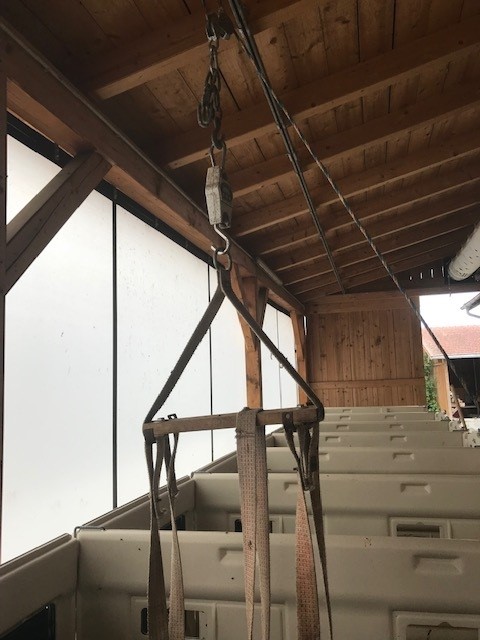
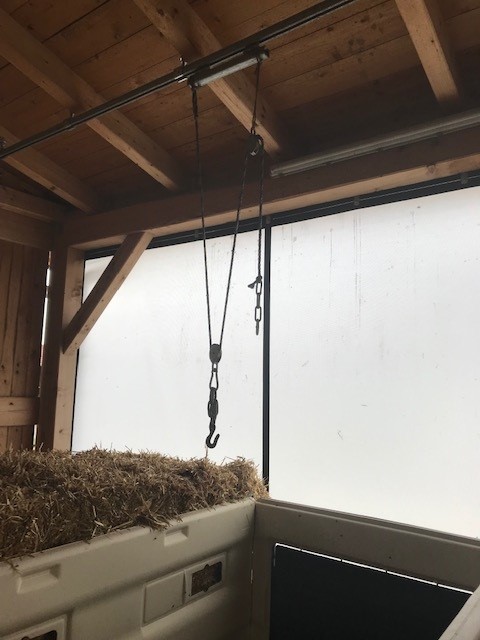
Last We Care Wednesday we talked about the importance of weighing calves and heifers with various types of scales… here is another system used by a client in Europe to weigh calves! 🐄
These scales are mounted on a rail system mounted above the calf pens. It slides on a cable from pen to pen to weigh individual calves. 🤯
How do you weigh calves? Just like farming, there are a million ways to do it. We can’t manage what we can’t measure! 😊

Follow us on social media!

You Can’t Manage, What Isn’t Measured

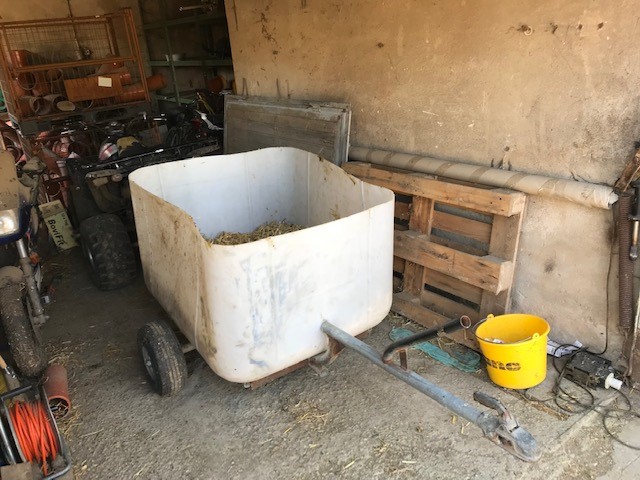
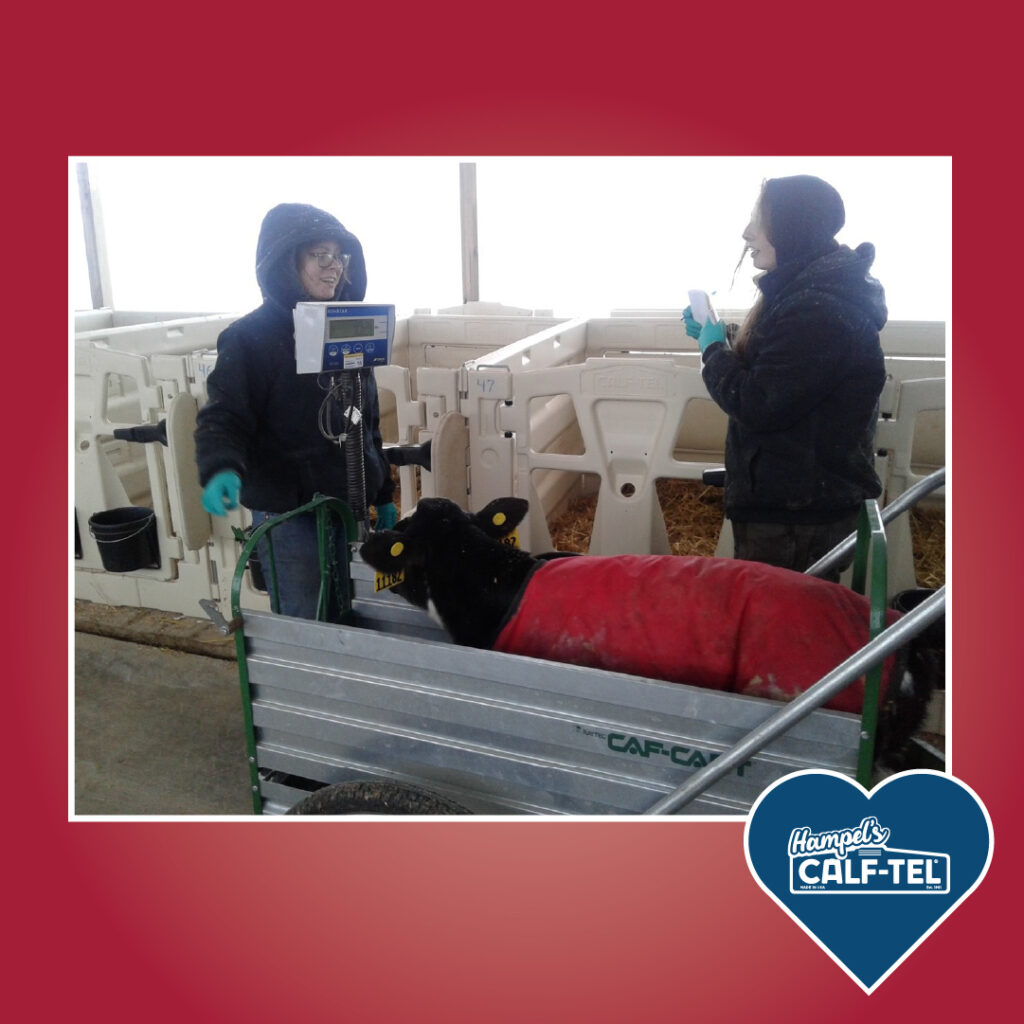
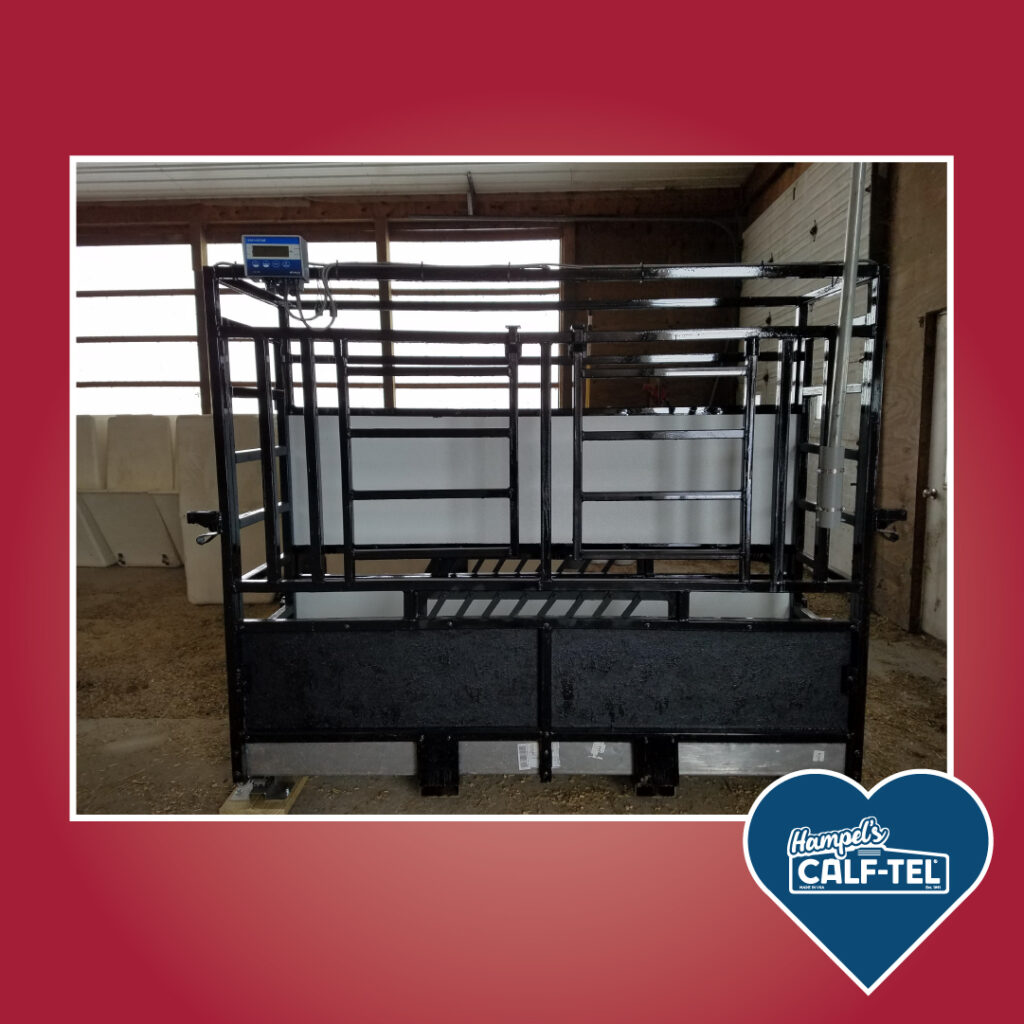
One measure often used in calf rearing is average daily gain. Whether the scales are on a platform, wheels or moved with pallet forks, ease of use seems to be a critical component in whether they are used regularly or not. It is often said that you can’t manage, what isn’t measured. 🤔 Weighing calves and heifers into and out of calf rearing systems at various points in their life can help provide important management data. 😀👍🐄✨

Follow us on social media!

The Importance of Fresh Air

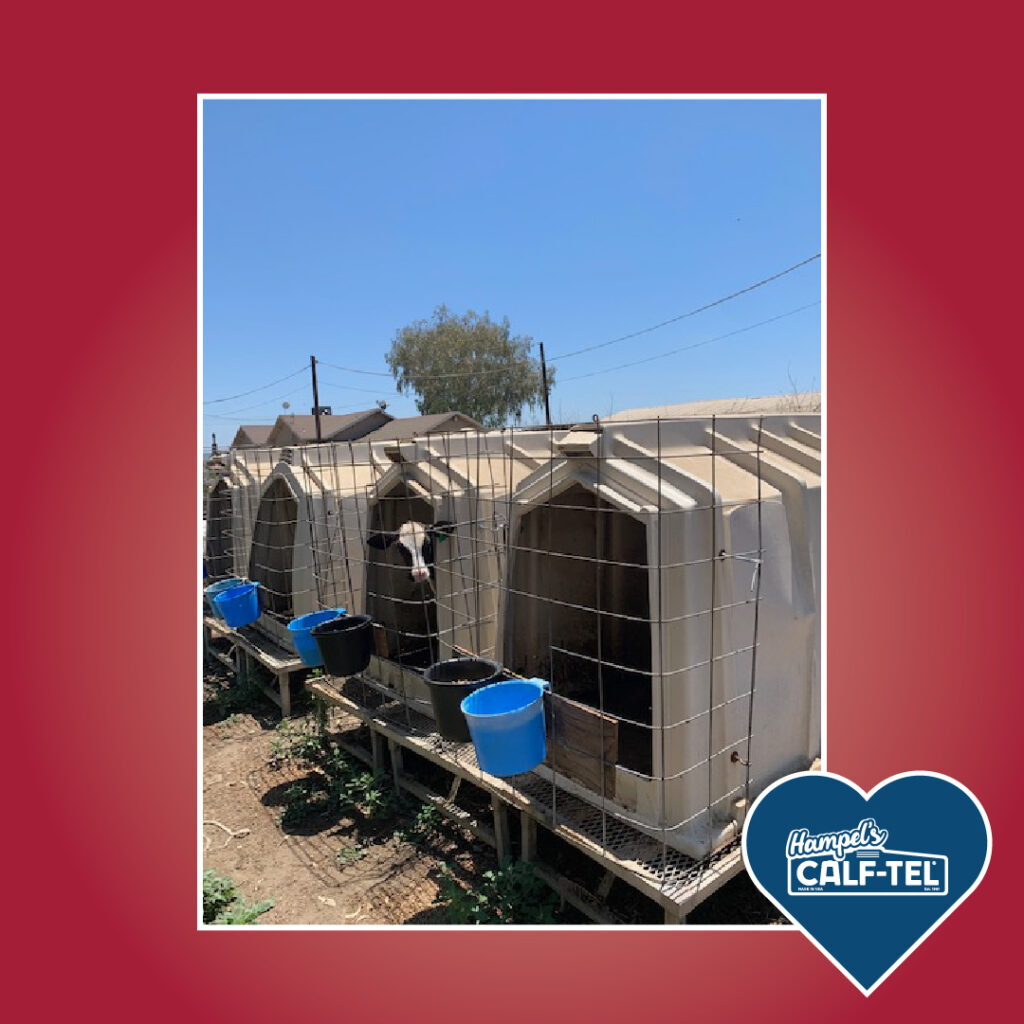
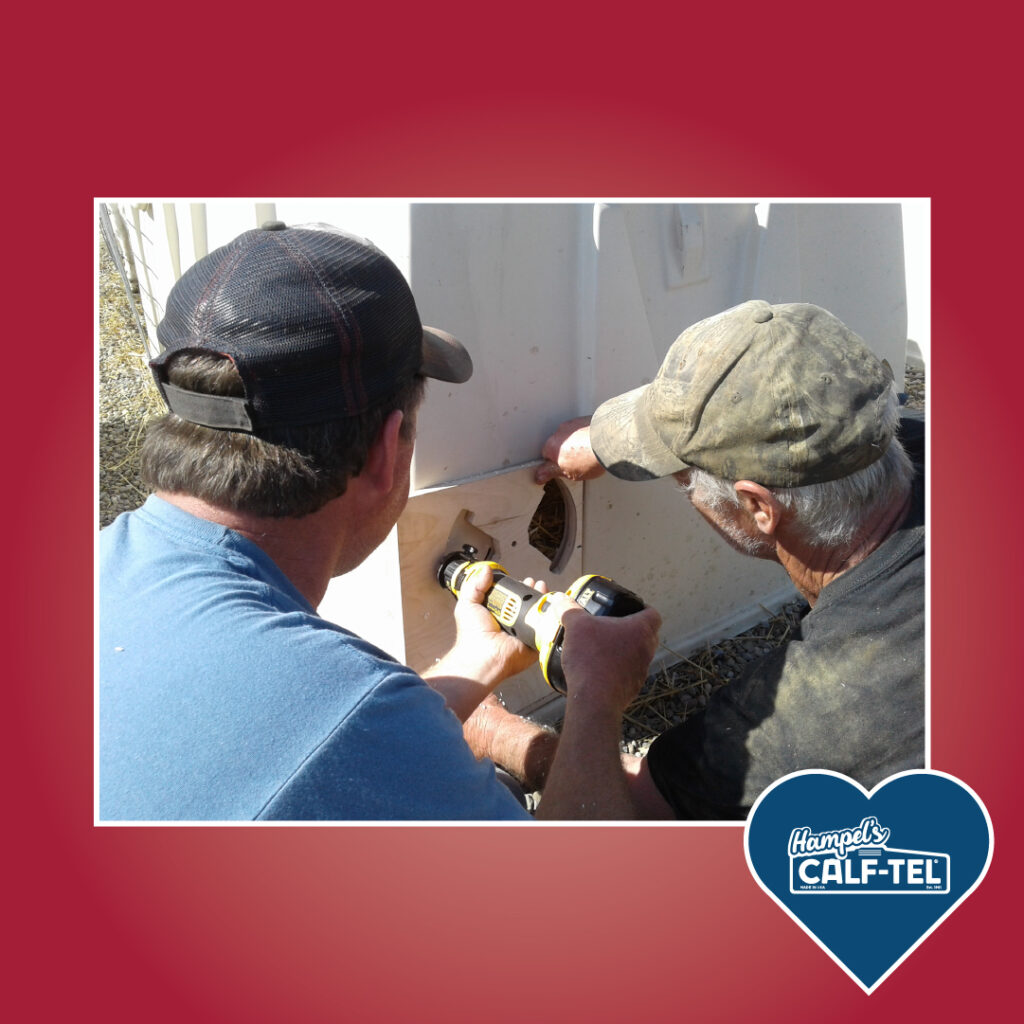
Fresh air is vital to calf comfort. 💨🐄There are many ways to accomplish this including, proper ventilation in calf barns, elevated platforms under hutches in drier climates, and extra vents on hutches. Even older hutches of any style can be easily retrofitted with additional vents. Regardless of the method used, it is imperative that calves have fresh, clean air. 👍

Follow us on social media!

Reusing Old Rubber Matting

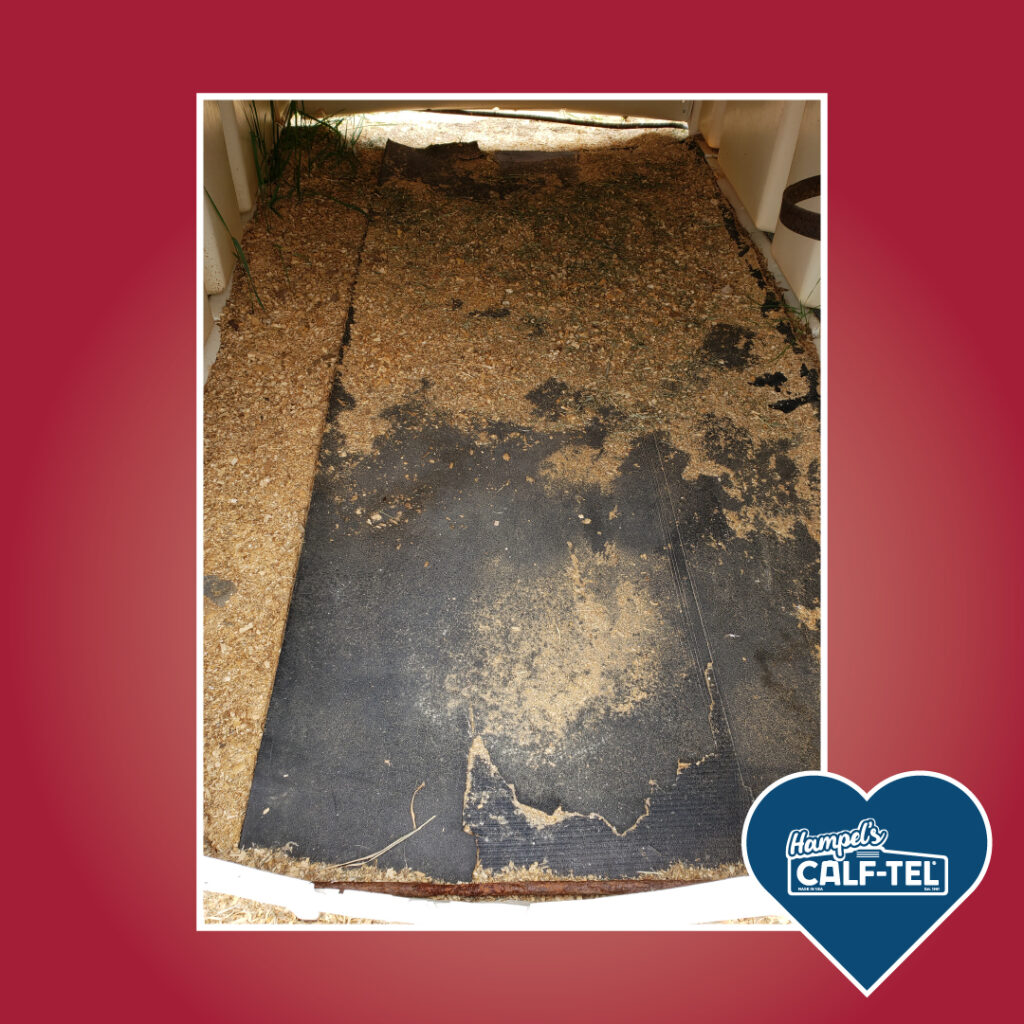
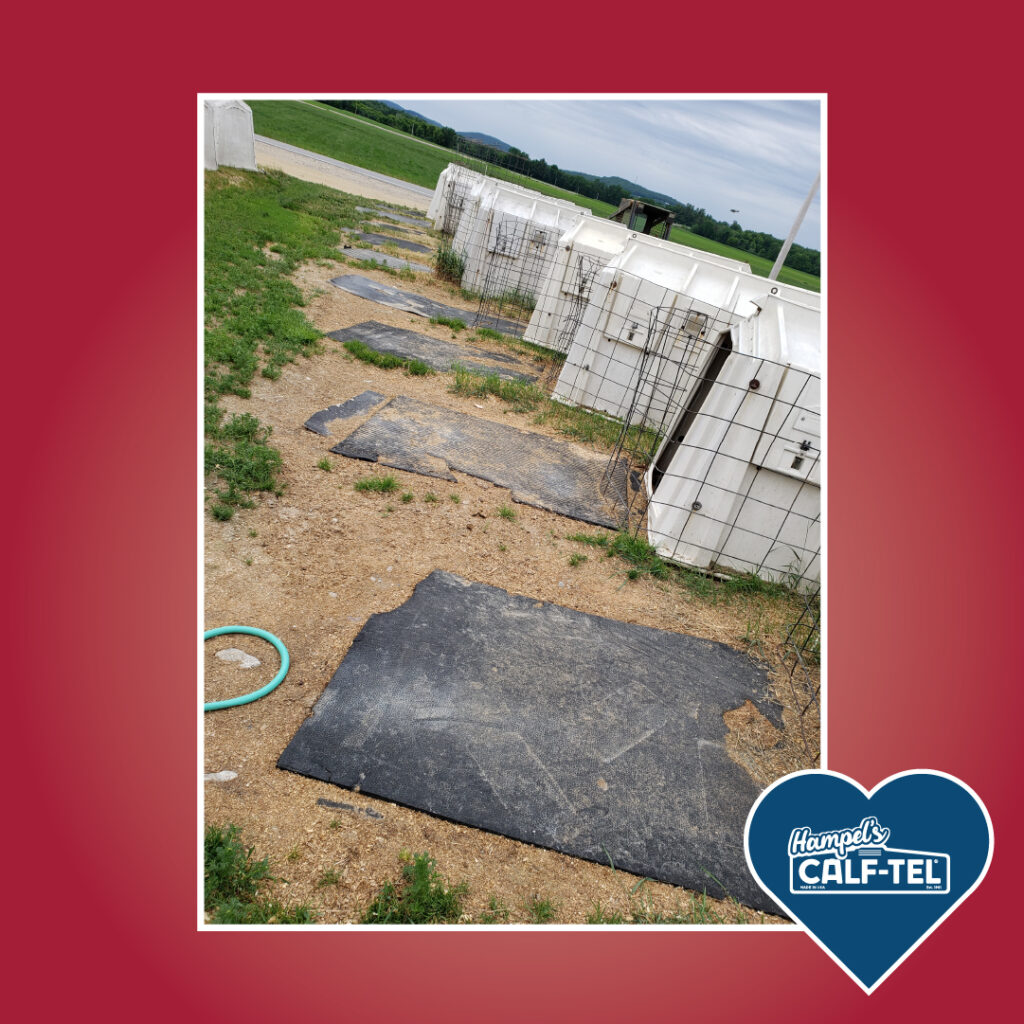
Another use for old rubber matting from the dairy, is to use them in your calf hutch area. The mats are used inside the fence area to minimize mud & manure buildup! 🤯
Mats can also be used inside the hutch during the summer season. Since the mats dry quickly in the heat, the farm uses less bedding, and it provides a dry, comfortable space for calves to rest. 😀🐄👍

Follow us on social media!

Measuring and Maintaining Calf Feeding Equipment Cleanliness

Calves Feeding

By Sarah Morrison, Ph. D.

A new year means many people have already made resolutions for improvement. I am not one for resolutions but often find this time of year as a good time to reflect on what has happened in the last year and where I would like to go in the next. We often get caught up in all the hustle and bustle but sometimes we just need to go back to basics and make sure we are still doing all the “easy stuff” the way it should be done.

A key pillar of a successful calf program is maintaining the health of those young animals. Calves are the most susceptible to disease and a contributing factor to increased risk could be the hygiene standards of the farm. If improperly managed, there could be increased pathogen load and exposure. Proper management and good hygiene standards will leave your calves less susceptible to health challenges in the preweaning period.

One area to focus on in terms of hygiene standards is calf feeding equipment cleanliness. This includes buckets, nipples, bottles, esophageal tube feeders, and tubes of auto milk feeders. Each calf has direct contact with these multiple times of day and could be the perfect source of inoculation to the calf’s gastrointestinal tract if not properly cleaned and sanitized regularly.

The standard SOP for adequate cleaning of feeding equipment after every use are as follows (Stewart et al., 2005):

  1. Disassembly of the individual parts.
  2. Rinse with lukewarm water until visibly clean.
  3. Place in hot water with detergent.
  4. Scrub all surfaces (inside and outside) with a brush.
  5. Rinse with hot water containing acid sanitizer.
  6. Drain and air dry completely.

How do you determine cleanliness?

  1. Visual inspection– This is fast and convenient. It can be done routinely. However, it is very subjective and lacks the sensitivity to detect clean surfaces that are heavily contaminated.
  2. Microbiological analysis– This is a scientifically proven method but is time consuming and cannot be completed on farms. However, this would give a definitive answer of contamination on a surface, even when it appears “clean”.
  3. ATP luminometry– This is a method that quantifies the amount of ATP (energy present in every life form) into relative light units (RLU) by a chemical luminescent reaction with an enzyme. This allows for on-site assessment of cleanliness and has been commonly used in hospitals and the food industry.

A paper published in the Journal of Dairy Science (106:8885–8896) evaluated 50 commercial farms in Quebec through a questionnaire that included self-reported cleaning practices of feeding equipment. This encompassed the frequency of cleaning and replacing feeding equipment of preweaning calves, products and utensils used for cleaning and disinfecting, and the temperature of the water.

Samples from feeding equipment (buckets, nipples, bottles, esophageal tube feeders, and tubes of auto milk feeders) were evaluated by visual inspection, microbiological analysis, and two methods of ATP luminometry. Microbiological samples were taken to get total bacteria count and total coliform count. Two commercially available products were used to evaluate ATP luminometry. One was UltraSNAP (surface ATP test) and one was MicroSnap (coliform test).

In the paper of Quebec herds, there was a wide range in reported hygiene procedures of the feeding equipment. Half of the farms claimed they unscrewed the nipples before cleaning. The different utensils used were brush (68% of farms), washcloth (2%), sponge (2%), or no utensil (28%).

Only 4.3% of farms in this survey reported cleaning feeding utensils after every use.

The temperature of water used for cleaning was very hot (20% of farms), hot (56%), lukewarm (16%), and cold (8%), but no temperature was determined. The primary cleaning product used was dishwashing soap for 40% of respondents, but other soaps were used by others.

Only 40% of farms used disinfectant for feeding equipment, the most popular was sodium hypochloride (50%), followed by penta-potassium bis (peroxymonosulphate bis (sulfate), also known as Virkon (46%; Vetoquinol) and a combination of iodine with sodium hypochloride (4%).

The rinsing process, only 10% used a utensil, which was a brush. The temperature of the rinsing water was very hot (18% of farms), hot (12%), lukewarm (32%), and cold (38%).

Most equipment generally looked clean from visual inspection. All feeding equipment showed contamination, buckets, and tubes of automatic milk feeders were more contaminated compared with nipples, bottles, and esophageal tubes. High contamination of one specific piece of feeding equipment on a farm was not automatically correlated with a high contamination of other feeding equipment on that same farm. There were positive correlations between ATP luminometry and visual scores of buckets, nipples, bottles, and esophageal tubes. However, the study showed that contamination can still be present even when the feeding equipment looks ok to the naked eye.

How does your calf feeding equipment cleanliness stack up?

Sarah Morrison, Ph. D. is involved in dairy research at the W.H. Miner Institute in Chazy, NY and can be reached at morrison@whminer.com.

Read More Calf Corner Blogs Here!

Barn Windmill

Trouvez le revendeur Calf-Tel le plus proche

Nos concessionnaires comprennent les complexités de l’élevage de bétail et peuvent vous aider à identifier la solution la meilleure et la plus rentable pour votre exploitation.